

Helping Children Cope With the Death of a Pet: A Parent's Guide
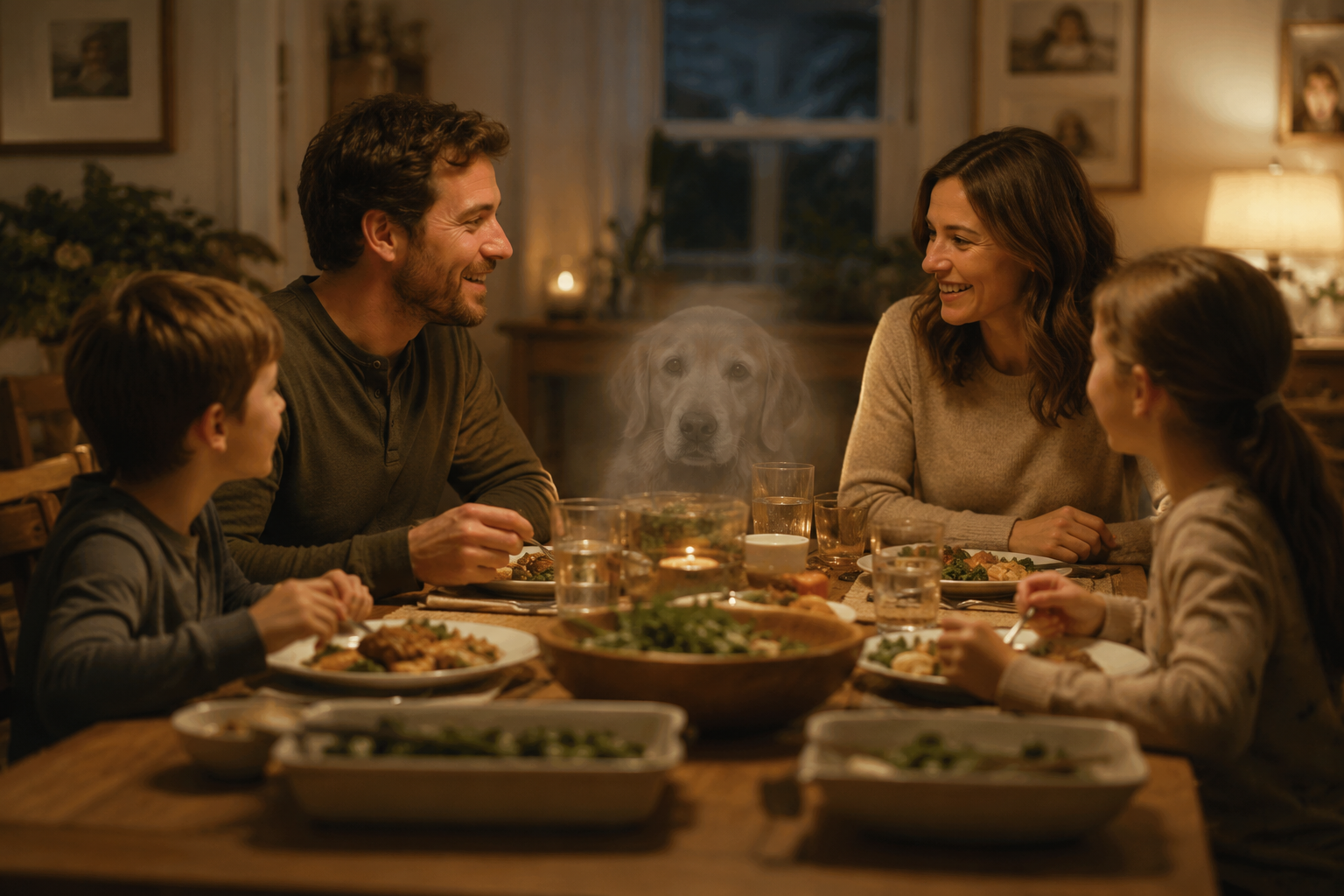
For many children, the loss of a dog is their first experience with death.
How we guide them through it matters deeply - not just for the grief they are feeling right now but for how they will understand and process loss for the rest of their lives. As the adults in the room, you do not have to have all the answers. You simply have to be willing to be honest, present and gentle.
Use clear, honest language.
It is tempting to soften the truth with phrases like "put to sleep," "passed on," or "went away." But for young children especially, these euphemisms can create confusion, fear, and lasting anxiety. A child told their dog was "put to sleep" may develop a fear of bedtime. A child told their dog "went away" may spend years waiting for them to come back. Simple, honest language — "Bailey died, and that means we won't see her anymore, but we will always love her" — gives children something real to hold onto, and real to grieve.
Understand that grief looks different at every age.
Toddlers and young children may not fully grasp the permanence of death, and may ask the same questions repeatedly. Be patient. Answer them the same way each time. Elementary-aged children often feel guilt — wondering if something they did caused the loss. Reassure them clearly and often that nothing they did caused their dog to die. Teenagers may grieve privately, or may seem to minimize the loss in front of others while feeling it deeply alone. Give them space, but let them know the door is open.
Encourage drawing and creative expression.
Young children especially process emotion through art long before they have the words for what they feel. Invite them to draw their dog, paint a favorite memory, or create a small picture to keep. This is not just a creative activity — it is grief work. Art therapy research consistently shows that visual expression helps children access and process emotions that verbal communication cannot always reach. Let them lead. Let it be messy. Let it be theirs.
Include children in rituals and remembrance.
Children heal better when they are included, not protected from the process. Invite them to participate in whatever farewell or memorial you create — placing a flower, choosing a photo for a memory box, or saying something they loved about their dog out loud. Inclusion gives children a sense of agency in a moment that otherwise feels completely out of their control. It tells them that their grief matters too, and that they are not alone in carrying it.
Give grief a place in your daily life for a while.
It is healthy to talk about your dog after they are gone — to say their name, to share memories at the dinner table, to laugh at something funny they used to do. This models for children that grief and love can coexist, and that remembering someone is not the same as being unable to move forward. Charlie's story taught me this. I talked about Charlie. I still do. And in doing so, I showed the people around me — and myself — that his life was worth remembering out loud.
Know when to seek additional support.
Most children will move through pet loss grief naturally with the support of caring adults around them. But if your child shows prolonged inability to function at school, persistent nightmares, complete withdrawal from friends and activities, or expresses feelings of hopelessness that extend beyond the loss itself, it may be time to speak with a pediatric counselor or child therapist who specializes in grief and loss.
You do not have to navigate this perfectly. You just have to navigate it together.