


HONORING THE DOG WHO CHANGED YOUR LIFE
What Are Compassionate Ways to Memorialize a Dog?
To memorialize your dog means keeping them present in your life instead of putting them away. A framed photo on the shelf. Their collar in a drawer you open sometimes. A tree in the yard. A portrait on the wall. A story written down before the details go soft.
There's no single right way to do it, and there's no deadline.
What follows are the ways people actually do this, and what the research says about why it helps.

Memorializing Isn't Moving On
For a long time, grief was taught as something you finished. You worked through it, you let the person go, and you moved forward.
That's not what the research says anymore.
Research on continuing bonds, first described by Klass, Silverman, and Nickman in 1996, found that people who keep a connection to who they lost do better over time than people who try to sever it. Talking to them. Keeping their things. Marking the day. These aren't signs you're stuck. They're how the attachment keeps going after the death.
Your dog was part of your daily life. Memorializing them is just letting that stay true.
Ways to Memorialize Your Dog
Read the ones that sound like you and skip the rest.

A memory space at home
A shelf, a corner of a table, the top of a bookcase. A photo, their collar, a candle. It doesn't need to be big or beautiful. It needs to be somewhere your eye lands.
How to create a memory space
A memory box
For the things you can't display and can't throw away. Their tags, the vet's card, a favorite toy, the last bag of fur from the groomer. A box lets you keep everything without keeping it out.
How to make a memory box
Something living
A tree, a rosebush, a perennial that comes back. Plant it where they used to lie in the sun. You'll have somewhere to sit on the hard days.

A ritual
Lighting a candle at the time they used to wake you. Walking their route alone on their birthday. Writing them a letter every year. Rituals give the grief a place to be so it stops ambushing you everywhere else.

Their story, written down
Memory softens details faster than you'd think. What their feet smelled like. The sound they made settling onto the floor. Writing it down now is a gift to yourself in five years.
Writing your dog's story
A portrait
Some people want something on the wall. Something that says this dog lived here and mattered.
See Legacy Art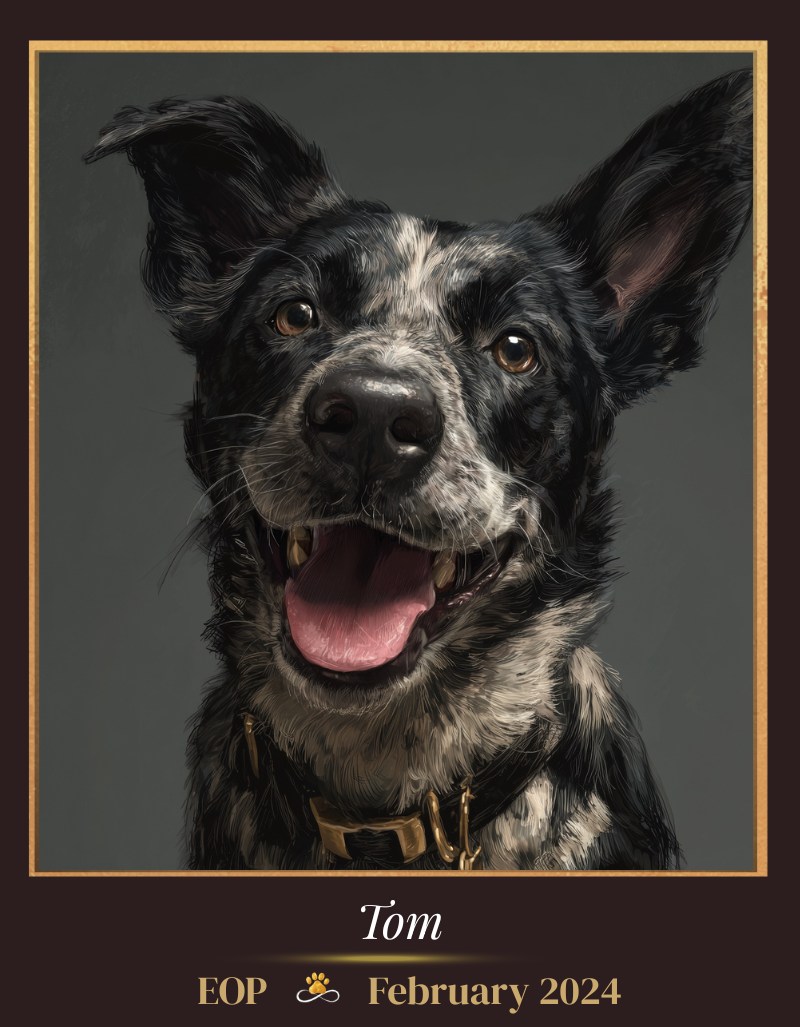
A permanent place in the gallery
For people who want their dog's name somewhere that isn't a drawer or a shelf in their own house. Somewhere other people can visit.
Visit the End of Paw Prints GalleryWhat If You're Not Ready
Then you're not ready, and that's fine.
Some people memorialize within a week because the love has nowhere to go and they need to do something with it. Others can't look at a photo for a year.
Both are normal. Nothing here expires.
Why K9 Hearts Exists
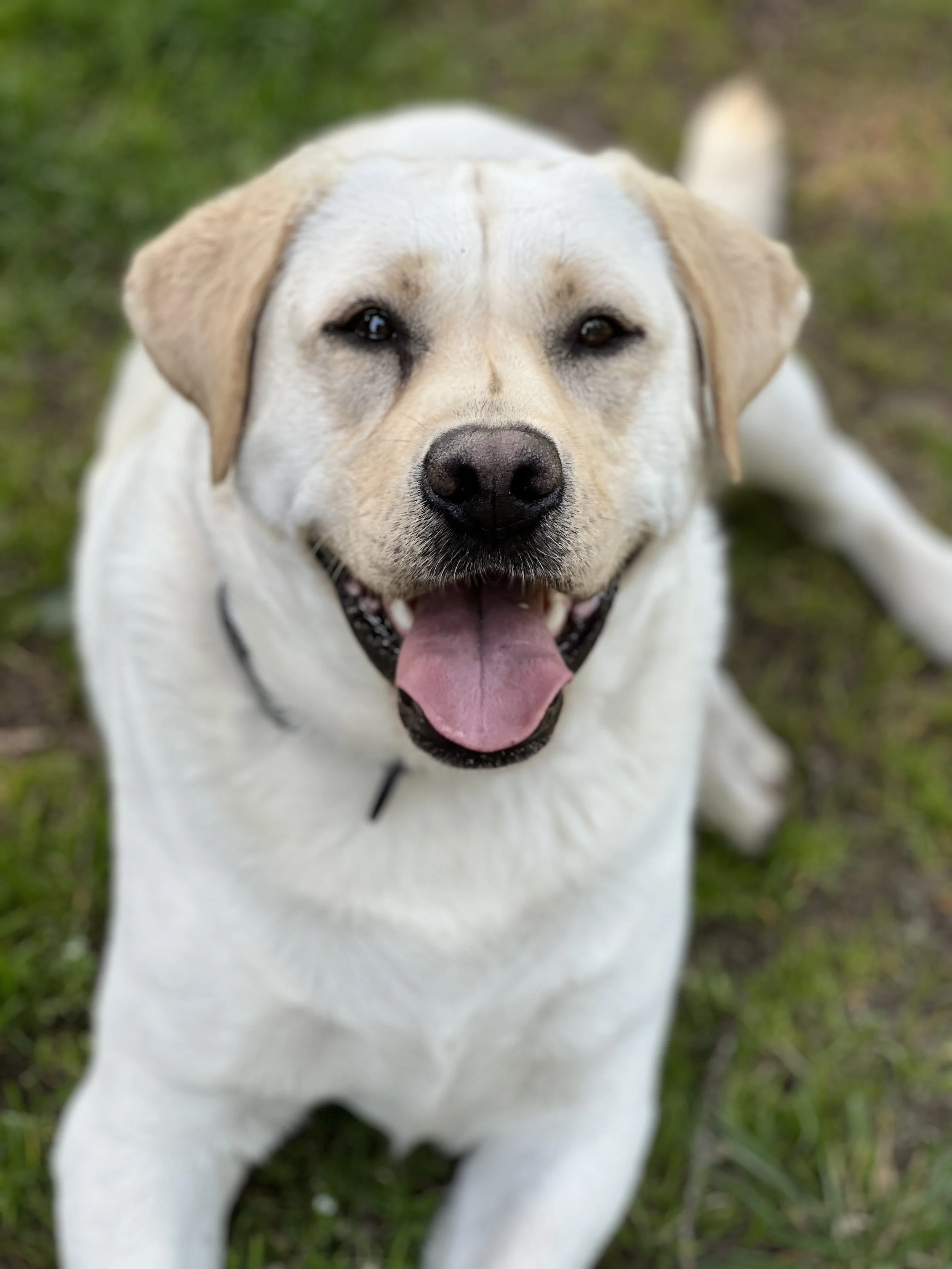
Written by Paige Cummings, founder of K9 Hearts. B.S. in Psychology, M.A. in Forensic Psychology, and nearly 30 years working with children and families through crisis.
K9 Hearts was built after Charlie died. He was a yellow Lab, he was three, and he was sick for seventeen months before June 10, 2022.
Everything on this site comes from that, and from nearly 30 years of sitting with families through the worst days of their lives.
The paw prints stop. The love never does.
Frequently Asked Questions
-
Memorializing means creating something lasting that keeps your dog present in your life. A photo you keep out, a tree you plant, a ritual you repeat, a portrait, a written story. Research on continuing bonds, first described by Klass, Silverman, and Nickman in 1996, found that people who keep a connection to who they lost do better over time than people who try to sever it.
-
Yes. Memorialization is one of the most documented ways people maintain a bond after a death. It gives grief somewhere to go.
-
Whenever you're ready. Some people need to do something immediately. Others need months. Neither is wrong.
-
A memory space on a shelf, a memory box for the things you can't display, something planted in the yard, a written record of what they were like, or a portrait. Start with whichever one you can actually picture doing.